August on Site: How Geological Exploration Operates at the Height of Summer
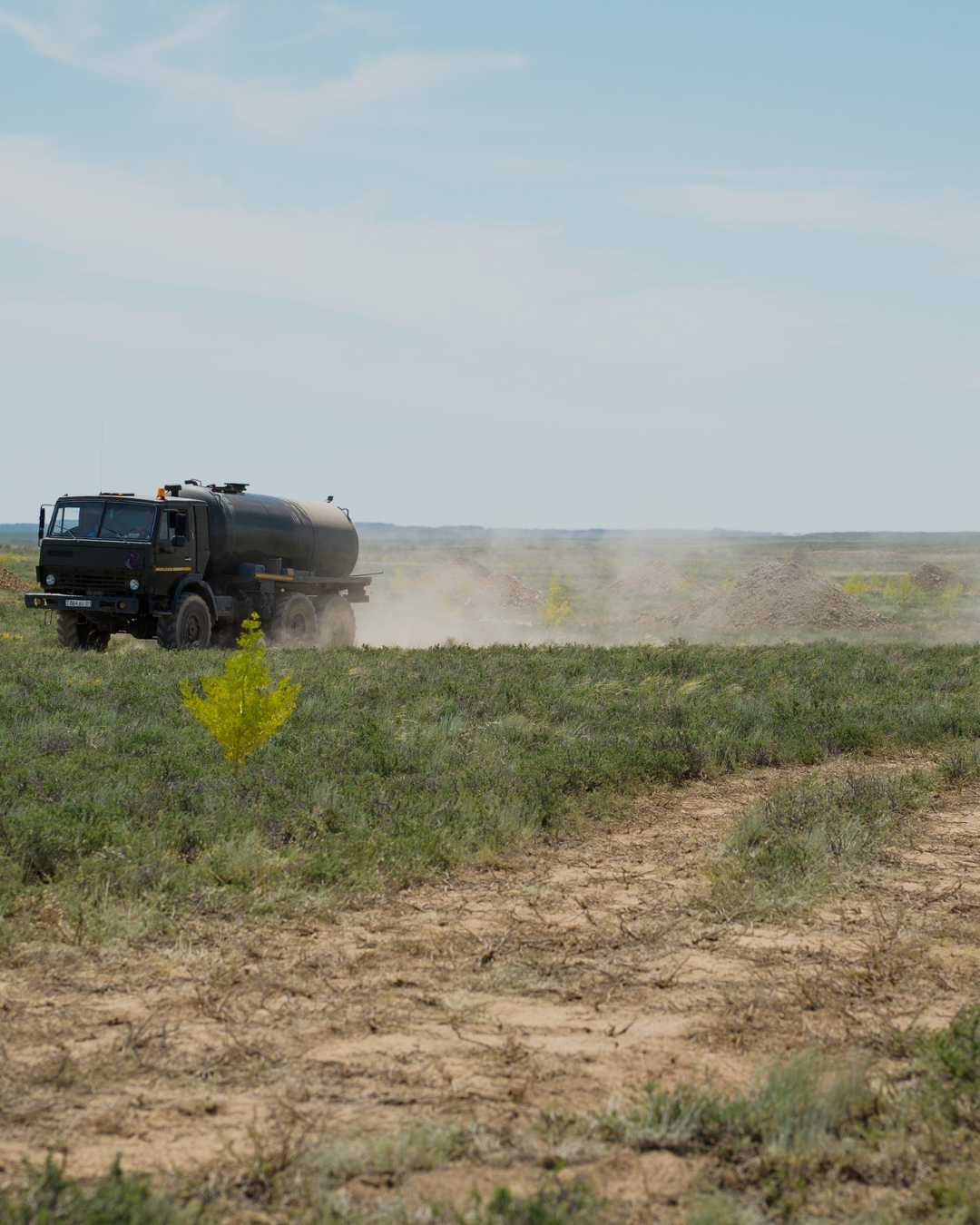
In winter, work on the steppe is built around the cold: the equipment fleet is rated for extreme temperatures, the crew is issued insulated workwear, and the site cabins are heated. In August, the challenge is the mirror image — and no less demanding.
When daytime temperatures climb past +35°C, the entire shift schedule changes. Most fieldwork shifts to the early morning hours, before the air and the metal heat up. The working day becomes shorter: during peak heat, only tasks that can be carried out in the shade remain on site — servicing equipment, logging and photographing core under cover, and completing site records. The crew’s rest schedule on these days is not a concession; it is part of the operating procedure.
Heat places a strain on more than just the crew. Shift rhythm and the maintenance schedule are affected by:
-
overheating of hydraulic and compressor equipment;
-
drilling fluid, which behaves differently in high temperatures;
-
accelerated wear of components on a dusty site.
Dust is a further factor specific to August. It affects filters, visibility on site, and the integrity of core samples during core barrel disassembly.
There is no heroism in this — only planning. The August temperature regime is built into the season’s schedule in the same way winter snow conditions are. The only difference is what, exactly, is being protected: the people or the equipment.
Follow our updates — we show geological exploration from the inside.