When Frost Is No Reason to Stop
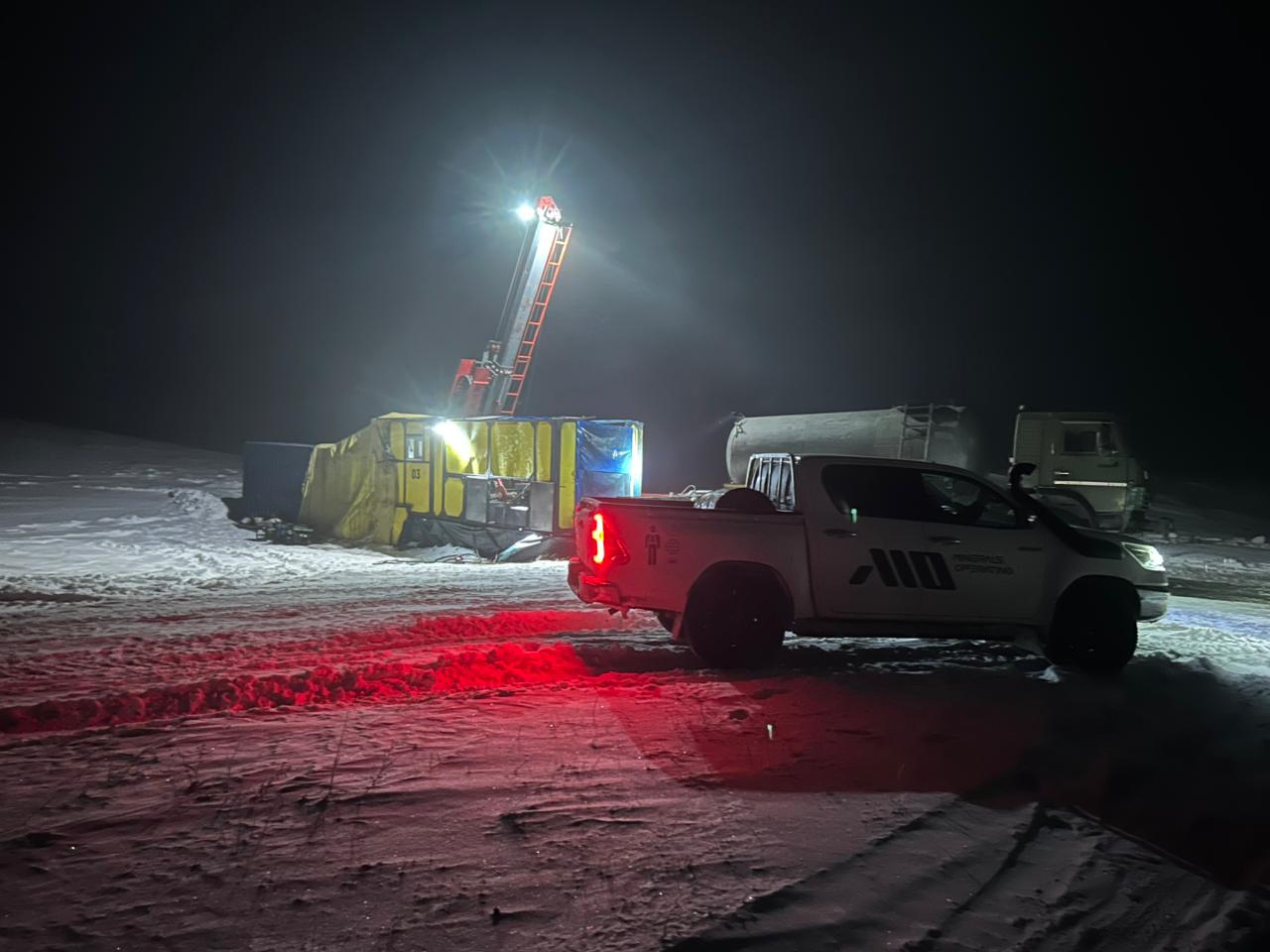
Thirty years ago, winter exploration meant complete isolation. Radio communications failed in blizzards, the nearest spare parts depot was hundreds of kilometres away, and decisions had to be made on site, with no opportunity to consult head office. Technology has come a long way since then: satellite communications work even in remote locations, drilling data is transmitted online, and logistics are planned in advance. Yet one thing remains unchanged: nature still sets the rules.
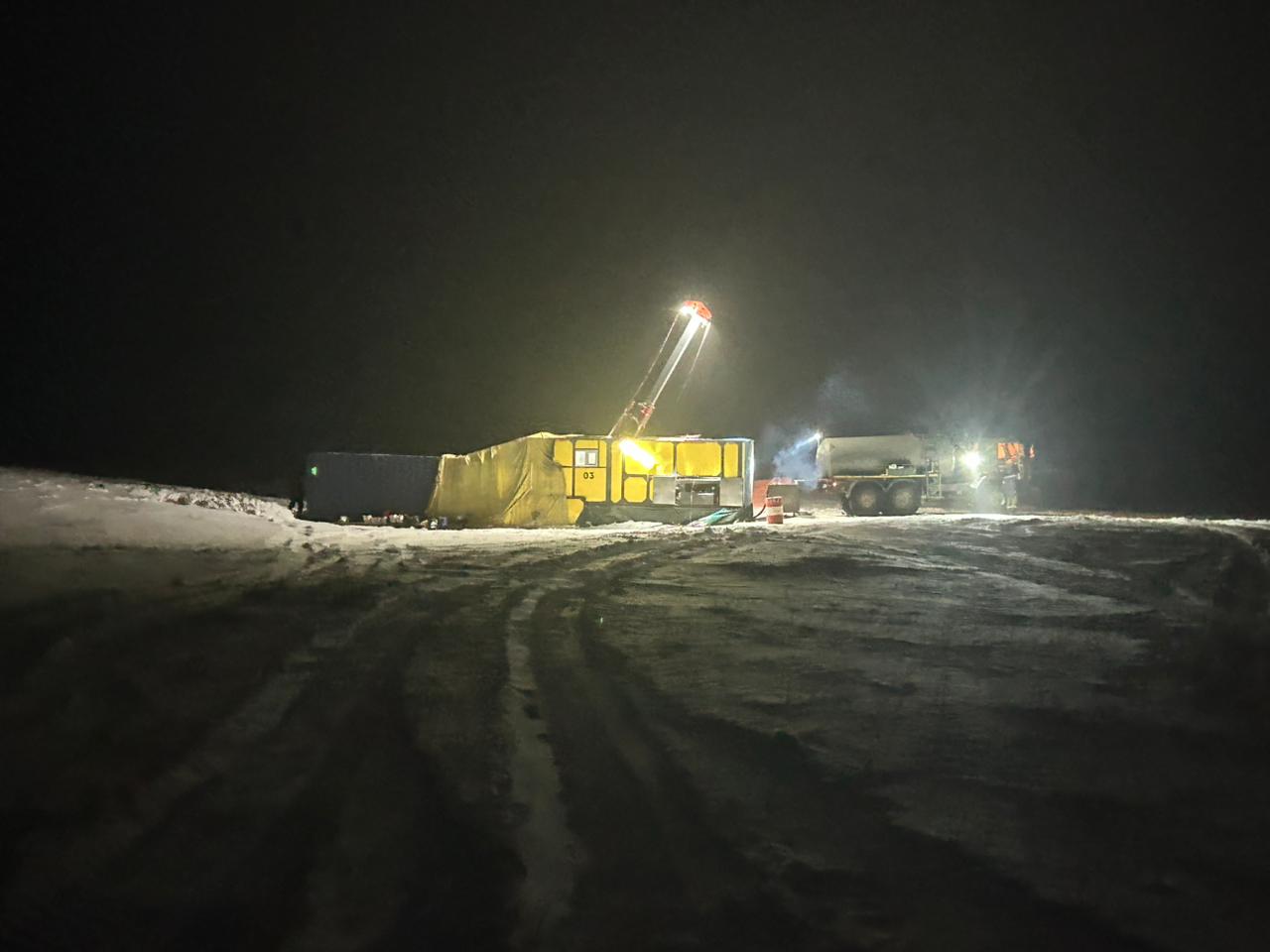
Winter in Central Kazakhstan is unpredictable. A clear morning at −15°C can give way to a blizzard by midday, with temperatures falling to −35°C and visibility down to a few metres. Wind makes the cold feel more intense, turning −25°C into a wind chill of −40°C. Weather forecasts help, but nature often changes the plan, bringing a thaw in January or a sudden freeze in March. Work has to be planned with extra time and resources, because losing a week to bad weather is commonplace.
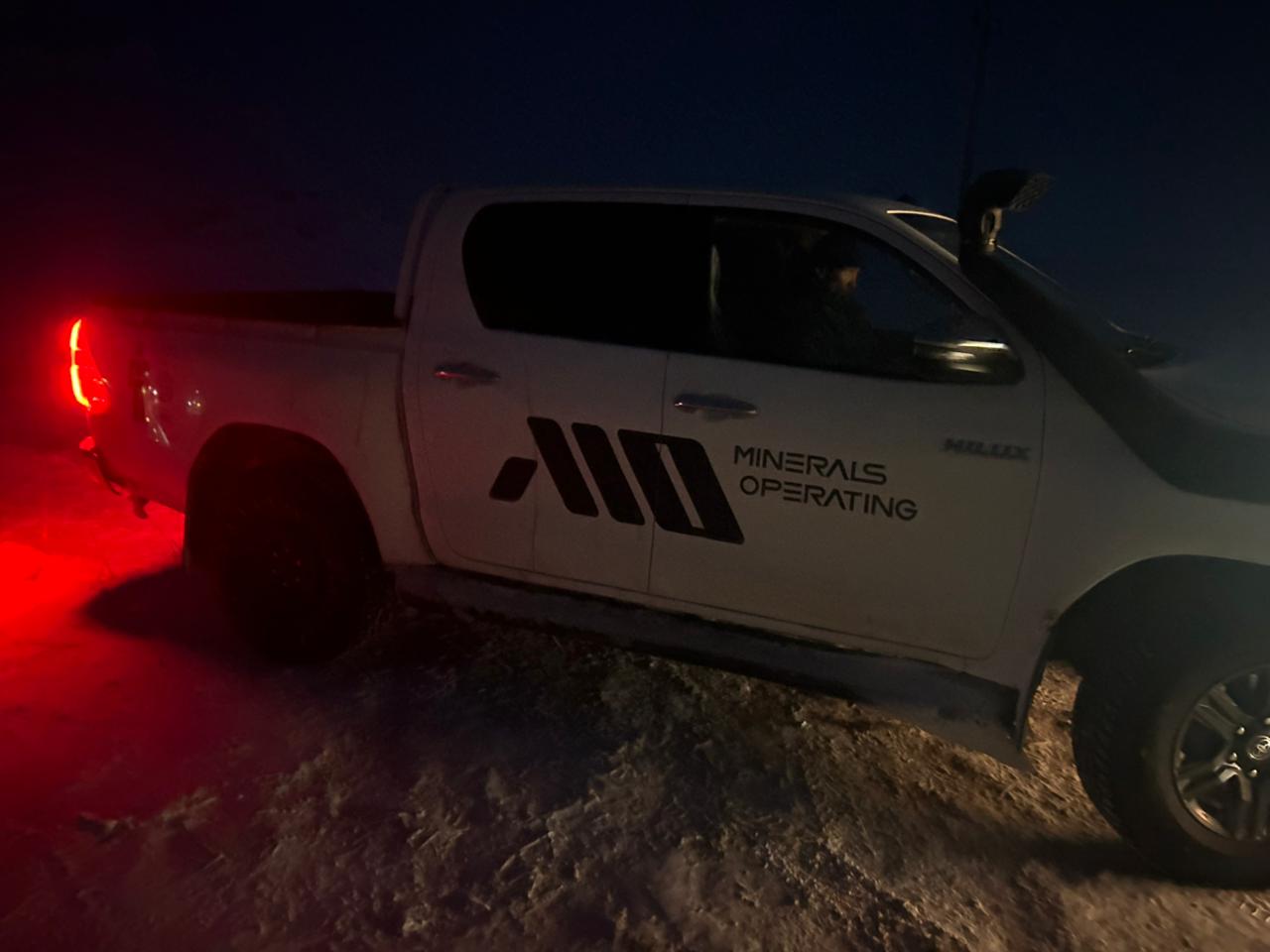
Working in these conditions is possible with advance preparation. Minerals Operating maintains a fleet of equipment for extreme temperatures, builds up spare parts stocks before the season starts, and provides the team with insulated workwear and heated site cabins. Without these measures, work becomes a struggle for survival.
Severe weather tests people as well as equipment. Those who stay at the rig through blizzards and frost understand that exploration involves more than maps and analysis in a warm office. It means keeping work moving when conditions are far from comfortable. This is the team that turns projects into reality, whatever the weather.
#Exploration #WinterConditions #Drilling #MineralsOperating #Kazakhstan #Mining #ExtremeConditions #Fieldwork #GeologicalExploration #Endurance